
Nutritionist-Approved Meal Prep Ideas
Master the science of eating well with our comprehensive guide to meal preparation that transforms your daily nutrition habits.
Why Meal Prep Changes Everything
Better Nutrition Control
Save Hours Weekly
Reduce Food Waste
Consistent Energy Levels
The Foundation of Healthy Eating
Meal prep is not just about convenience—it's about taking control of your nutrition. When you prepare meals in advance, you eliminate the guesswork and impulse decisions that often derail eating goals. Nutritionists consistently recommend meal prep as one of the most effective strategies for maintaining balanced macronutrients and consistent calorie intake throughout the week.
By dedicating 2–3 hours on a weekend or designated day, you create a structured eating environment. This approach reduces stress around meal choices, ensures you always have nutrient-dense options available, and prevents reliance on processed foods when time is tight. It's a practical bridge between nutrition knowledge and daily execution.
Sportfoodoptimal champions meal prep as a core pillar of sustainable nutrition in South Africa, where busy schedules and uneven food access make planning essential for consistent health outcomes.
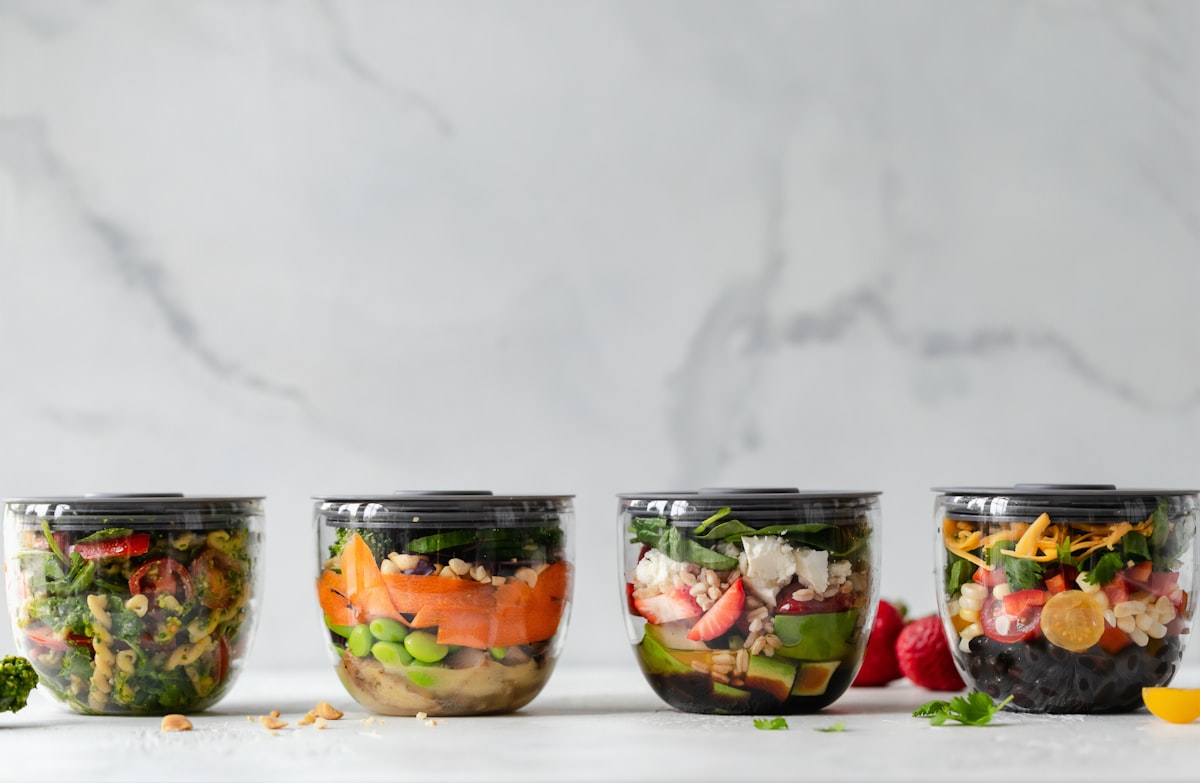
Core Meal Prep Categories
Protein-Based Prep
Prepare versatile protein sources that form the backbone of balanced meals. Grilled chicken breasts, baked fish, and lean ground beef can be portioned and frozen for the week. Each protein option pairs seamlessly with different carbohydrate and vegetable combinations, giving you flexibility without redundancy.
- Chicken thighs and breasts
- Grilled salmon and white fish
- Grass-fed beef portions
- Plant-based alternatives
Grain & Carbohydrate Prep
Whole grains and complex carbohydrates provide sustained energy and support overall metabolic function. Batch-cook brown rice, quinoa, sweet potatoes, and oats at the beginning of the week. These components stay fresh for 5–7 days when stored correctly and work with any protein or vegetable combination.
- Brown rice and jasmine rice
- Quinoa and millet
- Sweet potatoes and oats
- Whole grain bread options
Vegetable & Micronutrient Prep
Vegetables deliver essential vitamins, minerals, and fibre that support digestion and nutrient absorption. Prep raw and roasted vegetables separately—raw keeps longer, while roasted vegetables suit warm meals. Include a range of colours to ensure diverse micronutrient intake across the week.
- Leafy greens and salads
- Roasted Brussels sprouts and broccoli
- Colourful bell peppers and squash
- Root vegetables for sustained fibre
Your Meal Prep Workflow
Plan Your Week
Review your schedule and determine how many meals you need to prepare. Identify 3–4 proteins, 2–3 carbohydrate sources, and 4–5 vegetable options. Write them down to stay focused and avoid impulse ingredient purchases at the store.
Shop Strategically
Purchase whole foods in bulk when possible. Choose seasonal produce in South Africa for cost savings and peak nutrition. Buy proteins on sale and freeze extras. Avoid pre-packaged convenience foods that defeat the purpose of meal prep.
Prep Ingredients Separately
Cook proteins, grains, and vegetables in batches using the same cooking method (grilling, baking, steaming). Store each category in separate containers to maintain texture and allow flexible meal assembly throughout the week.
Portion and Store Correctly
Use glass containers with tight lids for maximum freshness. Portion proteins and carbs into daily amounts. Store vegetables separately to prevent sogginess. Label containers with dates and contents for easy tracking throughout the week.
How Meal Prep Compares to Daily Cooking
| Aspect | Meal Prep | Daily Cooking |
|---|---|---|
| Time Investment | 2–3 hours once weekly | 30–45 minutes daily |
| Nutrition Consistency | Controlled macronutrients, measured portions | Variable depending on mood and availability |
| Cost Efficiency | Bulk purchasing, reduced waste | Higher per-meal costs, more food waste |
| Impulse Eating | Minimized—meals always ready | Higher risk without structure |
| Flexibility | Mix and match prepped components | Fresh but requires daily decisions |
| Stress Level | Reduced—meals predetermined | Higher during busy weekdays |
Meal Prep in Action
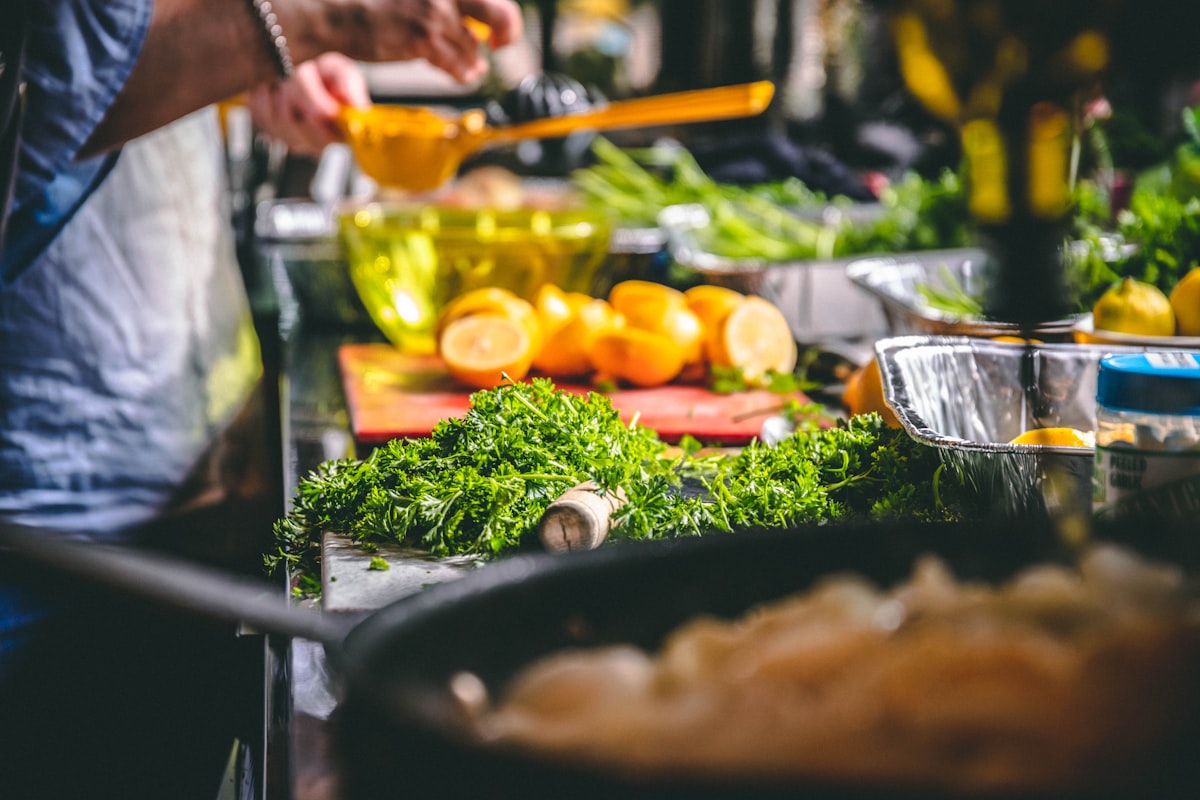
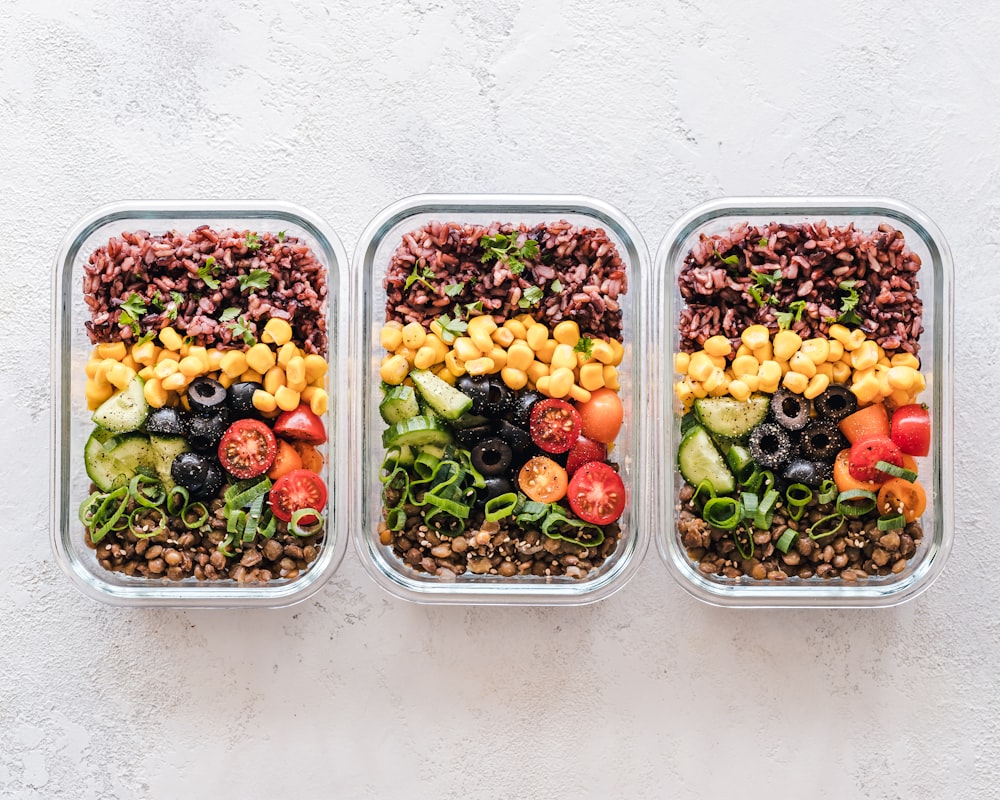
Protein & Grain Balance
A classic combination: lean protein, whole grain, and vibrant vegetables in one balanced meal container.
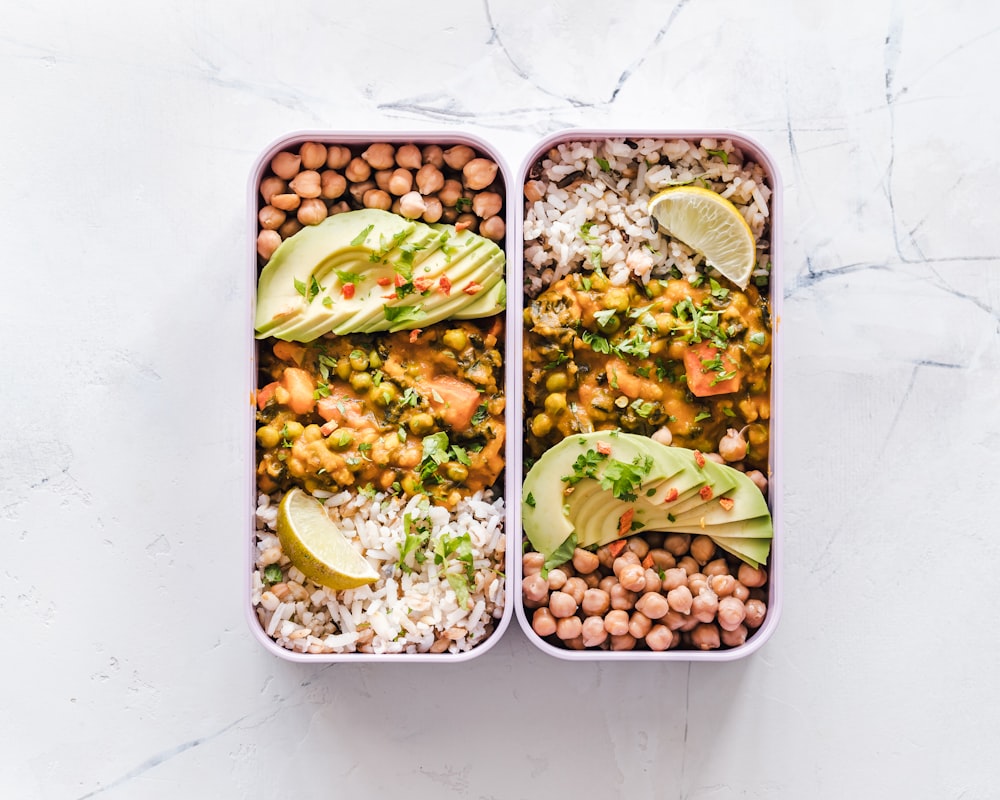
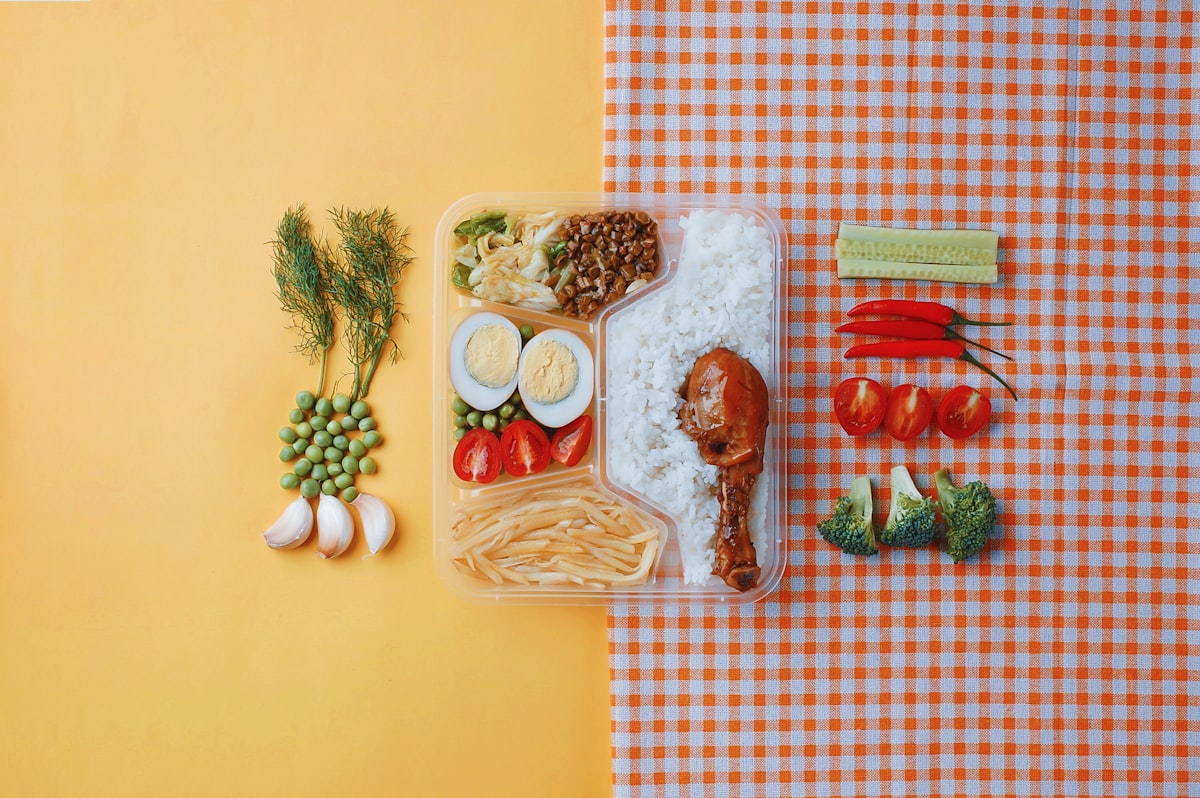
Component Organization
Keeping proteins, grains, and vegetables separate allows endless meal combinations throughout the week.
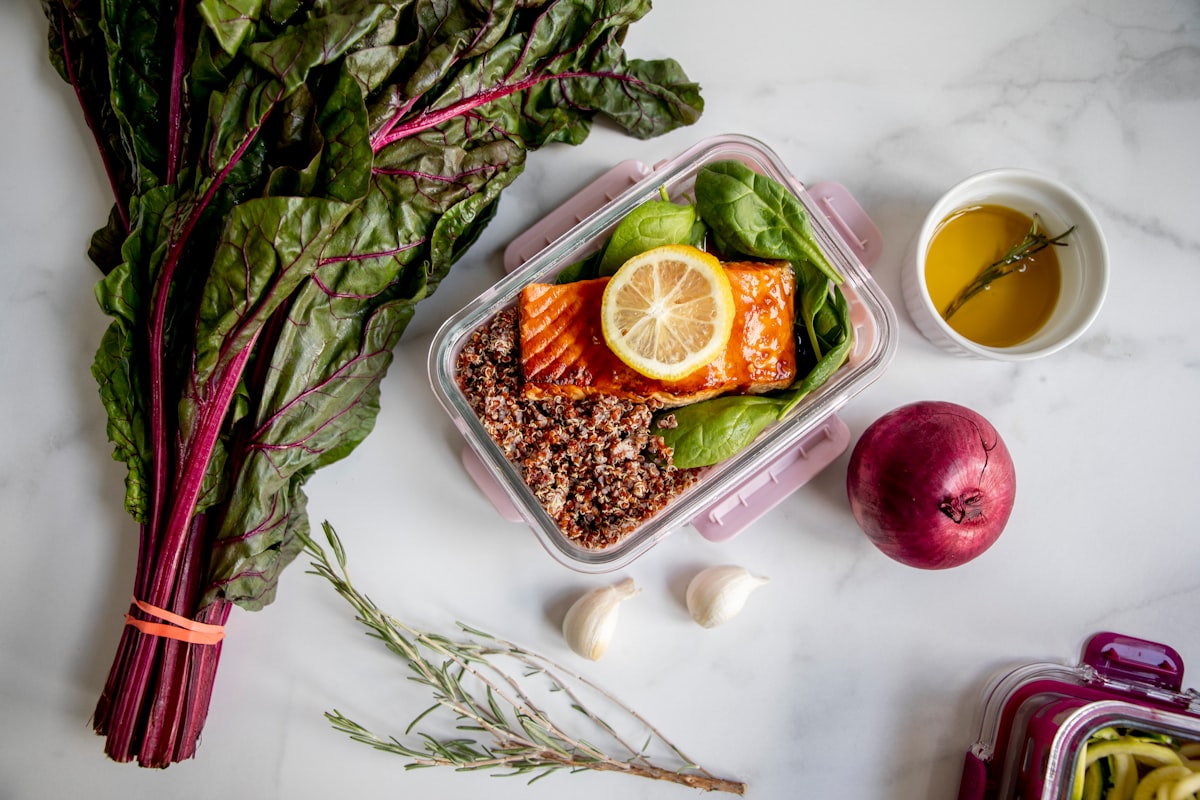
Fresh Salad Prep
Vegetables stay crisp longer when kept dry, with dressing stored separately until serving time.
Breakfast Prep Ideas
Overnight oats and breakfast bowls can be prepared in advance for grab-and-go mornings with full nutrition control.
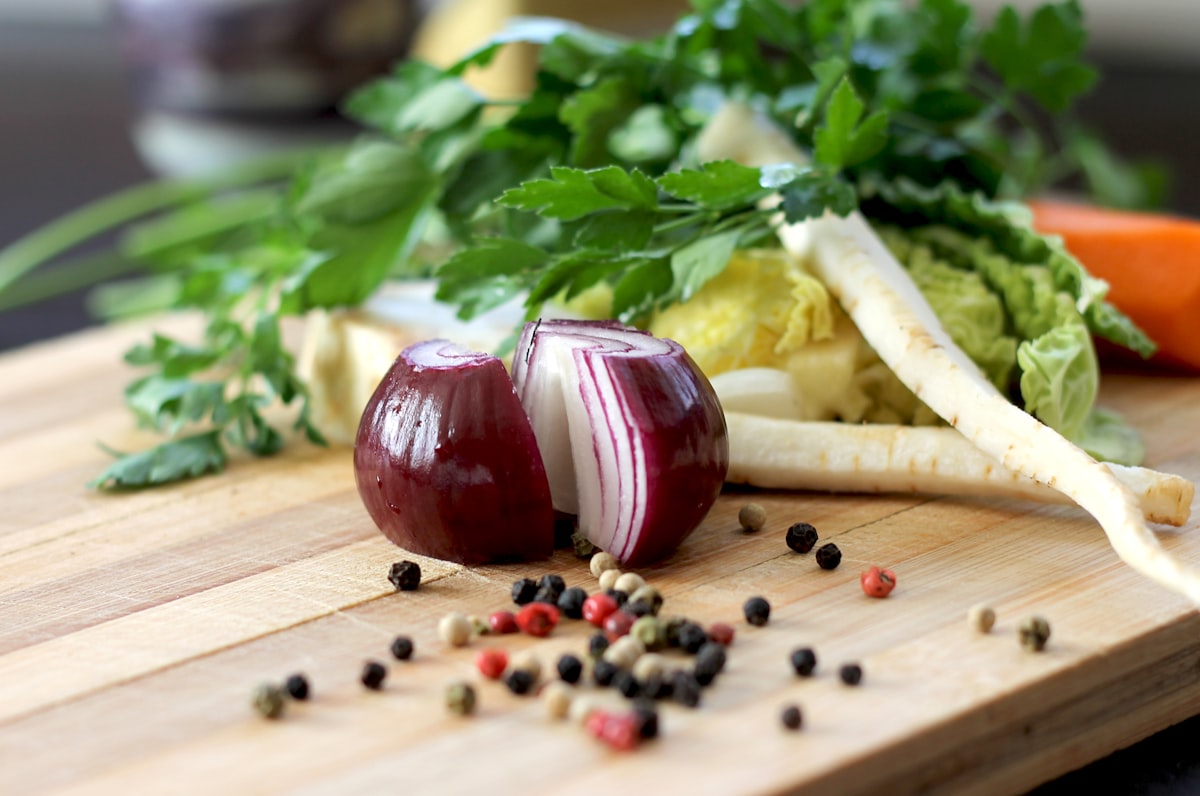
Roasted Vegetable Storage
Roasted vegetables maintain quality for 4–5 days and can enhance any protein and grain combination.
Snack Preparation
Pre-portioned snacks prevent overeating and ensure you have nutrient-dense options accessible throughout the day.
Expert Tips for Successful Meal Prep
Invest in Quality Storage
Glass containers with air-tight lids preserve food quality and allow safe reheating. Avoid plastic for hot foods, as chemicals can leach into your meal. Label everything with dates for food safety tracking.
Schedule a Consistent Prep Day
Choose the same day each week (Sunday works well for many). Block 2–3 hours on your calendar and treat it as non-negotiable. Consistency builds the habit and makes planning automatic.
Layer Flavours Strategically
Use herbs, spices, and sauces to create variety from the same base ingredients. Store dressing and sauces separately to prevent sogginess. A dash of fresh lemon or vinegar adds brightness without calories.
Master Freezer Storage
Proteins and cooked grains freeze well for 2–4 weeks. Portion into meal-sized amounts before freezing. Thaw overnight in the refrigerator rather than at room temperature for food safety.
Track Your Macronutrients
Know the protein, carbohydrate, and fat content of your prepped components. This allows easy calculation of meal macros and ensures you hit daily nutrition targets consistently.
Keep It Sustainable
Start with 3–4 meal combinations rather than complex recipes. As confidence grows, experiment with new proteins and vegetables. The goal is building a routine you'll maintain for months, not perfection week one.
Frequently Asked Questions
Most prepped meals stay fresh for 3–5 days when stored in airtight glass containers at temperatures below 4°C (40°F). Proteins like chicken and fish are best consumed within 3–4 days, while grains and vegetables can last up to 5 days. For meals lasting beyond five days, freezing is the safe option. Always use your senses—if food looks discoloured, smells off, or shows condensation inside the container, discard it immediately.
What Our Customers Achieve
"Sportfoodoptimal's meal plans cut my prep time in half. I'm building muscle without the guesswork, and I'm actually saving money compared to my old fast-food habits."
Thabo M. — Cape Town
Rugby Player, 3 months in
"The nutrition science backing every recommendation makes a difference. My energy levels are consistent throughout the day, and I've hit PRs I didn't think were possible."
Amara K. — Johannesburg
Fitness Enthusiast, 5 months in
"Finally, a resource that understands South African ingredients and budgets. The recipes are practical, and the support team answers my questions within hours."
Sipho R. — Durban
CrossFit Athlete, 2 months in
"Honest talk: I was skeptical. But the personalized approach and tracking tools have transformed how I think about nutrition. Recovery is noticeably faster."
Lerato T. — Pretoria
Gym Goer, 4 months in
Stop Guessing. Start Optimizing.
Get your personalized nutrition plan today and unlock the results you've been chasing.
No credit card required. First assessment is free.